
Water Leak Detection in Loveland, CO
Water Leak Detection finds the hidden leak behind a high water bill, a damp wall or a warm floor, so it can be repaired at the source with as little opening up of your home as possible. Background-checked, drug-tested plumbers and upfront pricing.
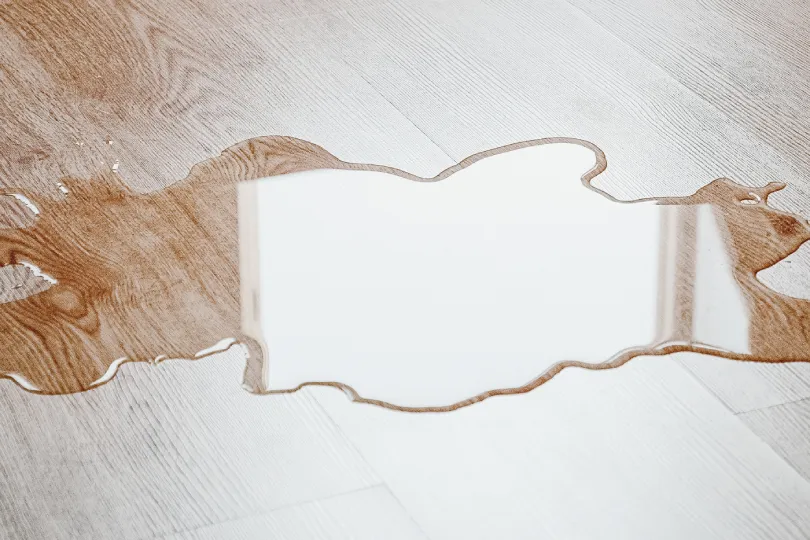
What Water Leak Detection Is and When You Need It
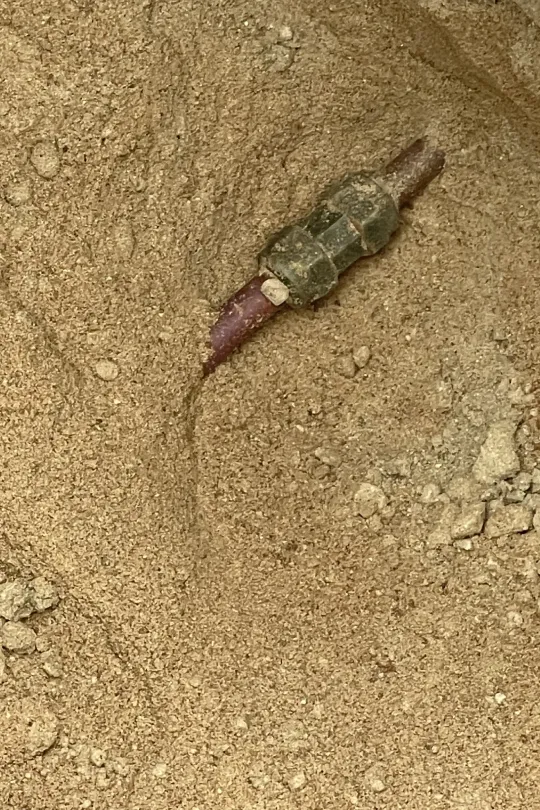
Water Leak Detection is the process of locating a leak you can't see, inside a wall, under a floor, below a concrete slab or in a buried water line, using pressure tests and listening and imaging tools instead of guesswork. You need it when your water bill climbs without a change in habits, the water meter moves with every fixture off, or you notice damp spots, stains or a musty smell.
Finding the exact spot matters. Without it, the only way to track a leak is to open walls and floors until you hit water. Pinpointing the source first keeps the repair smaller and protects your finishes.
Signs You May Have a Hidden Leak
- A water bill that's higher than usual with no change in use
- The water meter or leak indicator moving when nothing is running
- The sound of running water when every fixture is off
- A warm or damp patch on a floor, which can point to a slab leak on a hot water line
- Stains, bubbling paint or soft drywall on walls and ceilings
- A musty smell, or mold in a cabinet, closet or basement corner
- A soggy patch of lawn over the service line
What's Included in Water Leak Detection
- A meter test to confirm whether water is leaving the system and roughly how fast
- Isolation of hot and cold lines, and of indoor plumbing versus the outdoor service line
- Pressure testing of supply lines to confirm which section is losing water
- Acoustic listening equipment to pick up the sound of escaping water through floors, walls and soil
- Thermal imaging and moisture meters to trace damp areas without cutting into walls
- Slab leak detection for lines running under concrete floors and foundations








Why Finding Leaks Early Matters
A small leak rarely stays small. Water that runs inside a wall or under a floor for weeks can rot framing, ruin flooring and feed mold long before you see a stain. The EPA's Fix a Leak Week resources note that household leaks waste a significant amount of water every year, much of it from leaks homeowners never notice.
Slab leaks deserve extra attention on the Front Range. Expansive clay soils shrink and swell with moisture, which can shift foundations and put stress on the copper and plastic lines running beneath them. Freeze-thaw cycles add strain to outdoor faucets and service lines in Loveland winters.
What Happens During a Water Leak Detection Visit
- We confirm the leak. Your plumber reads the meter with all fixtures off.
- We narrow it down. We isolate hot from cold and indoor from outdoor lines to find the section that's losing water.
- We pinpoint the spot. Using pressure tests, acoustic equipment and thermal imaging, we mark the leak location.
- You see your options first. We explain the cause and give you upfront pricing for the repair before any work begins.
- We repair and recheck. Once you approve, we make the repair and test the line to confirm the leak has stopped.
- We leave the area clean. Shoe covers and drop cloths stay in place, and we clean up before we go.
Services We Offer





What Affects the Cost of Water Leak Detection
Water Leak Detection and any repair that follows are priced upfront, before work begins. The main variables are:
- Where the leak is: inside a wall, under a slab or in the yard
- Whether it's on a hot water line, cold water line or the main service line
- Access to the leak and the finishes involved, such as tile, hardwood or concrete
- Whether the best fix is a spot repair or rerouting the line
If you've been told you need to repipe or tear up a slab and you'd like another look first, our Free Second Opinion gives you a clear, no-pressure assessment.
Experienced Plumbers, Clear Answers
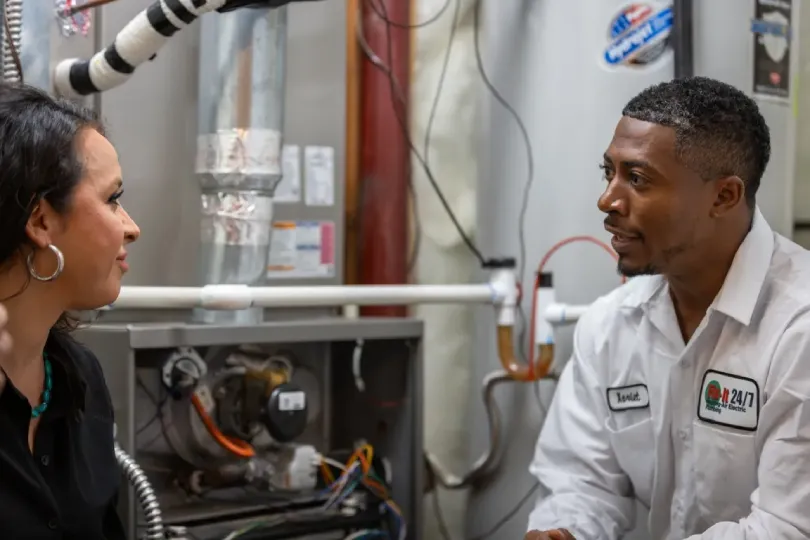
Fix-it 24/7 plumbers are background-checked, drug-tested and complete over 100 hours of ongoing training each year. We explain what we find in plain language and recommend only the repair the leak actually needs.
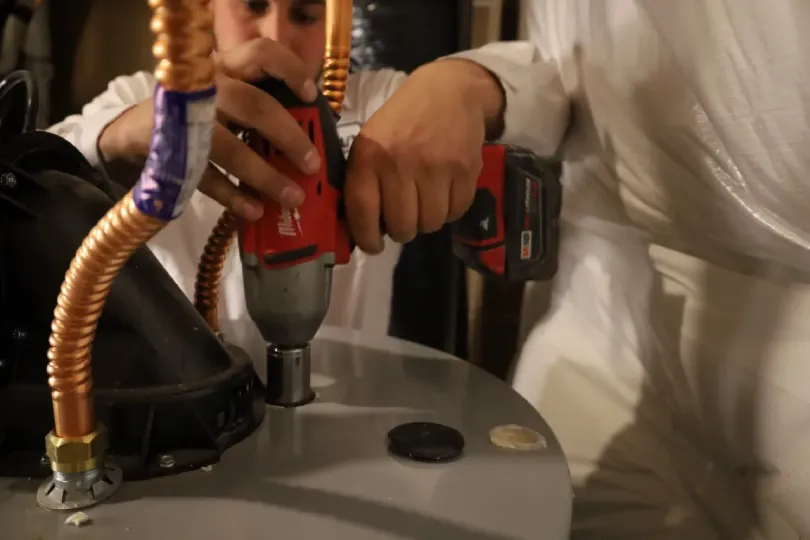
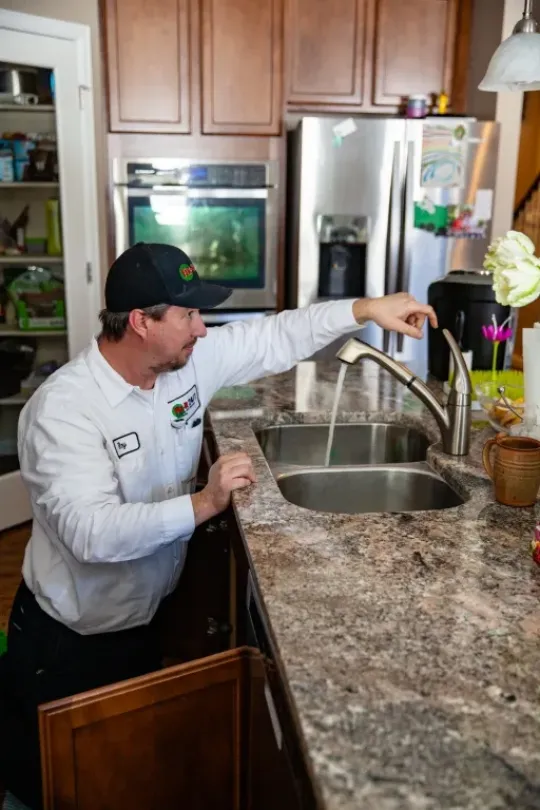
Our Green Club Maintenance Membership includes priority scheduling and member savings on repairs. If the leak turns out to be at a fixture, our Sink and Faucet Repair and Installation service can take care of it, and a leak at the tank or its fittings is handled through our Water Heater Services.
Frequently asked questions
Have questions? We've got answers. Browse the frequently asked questions below to learn more about our heating services, what to expect during your appointment, and how Fix-it 24/7 can help keep your home warm, comfortable, and running efficiently all season long.
Water Leak Detection locates the leak and explains its cause. The repair is a separate step that you approve after seeing your options and upfront pricing. Depending on where the leak is, the fix might be replacing a section of pipe, repairing a fitting, or rerouting a line around a slab. Your Fix-it 24/7 plumber can often make the repair on the same visit once you decide how you want to proceed.
Turn off every faucet, appliance and irrigation zone, then look at your water meter. Many meters have a small leak indicator, often a triangle or dial, that spins when water is flowing. If it moves, or the reading changes over an hour or two with nothing running, water is leaving the system somewhere. Water Leak Detection takes the next step by isolating lines and using specialized tools to find the exact spot.
A slab leak is a leak in a water line that runs beneath a home's concrete slab or foundation. Common signs include a warm or damp spot on the floor, the sound of running water with every fixture off, cracks in flooring, a sudden rise in the water bill, and lower water pressure. Slab leaks on hot water lines often show up as warm floor patches. Water Leak Detection uses pressure tests and acoustic and thermal tools to confirm a slab leak and pinpoint its location before any concrete is opened.
Slab leaks in Front Range homes usually come from a combination of soil movement, pipe wear and water conditions. Expansive clay soils swell when wet and shrink when dry, which can shift foundations and stress the lines under them. Pipes can also wear where they rub against concrete or gravel. Water Leak Detection identifies where the line failed, which helps you decide between a spot repair and rerouting the line.
Schedule Water Leak Detection
Find the leak, understand the cause and choose the repair with upfront pricing and no pressure. You can also see everything our Plumbing Services team handles.