
Water Heater Repair & Installation in Denver, CO
Our Water Heater Repair & Installation service diagnoses hot water problems, repairs faulty gas and electric water heaters, and installs properly sized tank and tankless systems. We offer 24/7 emergency availability, same-day appointments whenever possible, and upfront pricing. Our licensed plumbers explain the recommended work before repairs or installation begin.
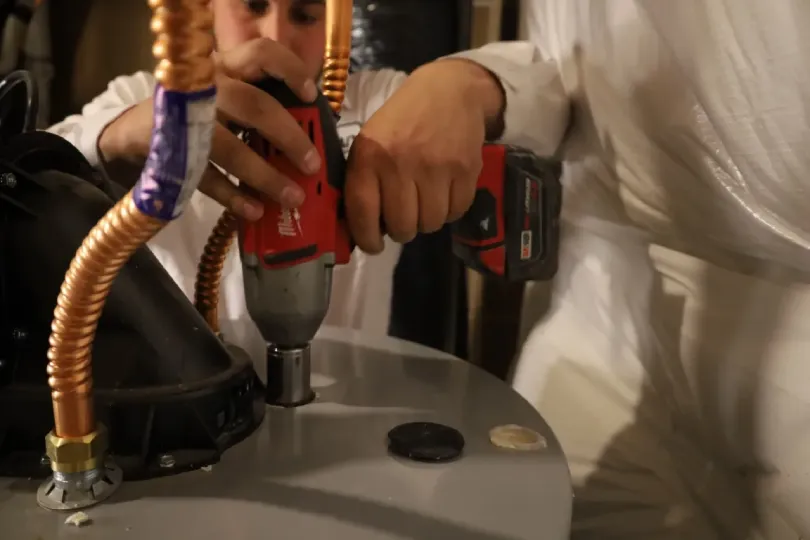
Why Choose Fix-it 24/7 for Denver Water Heater Services
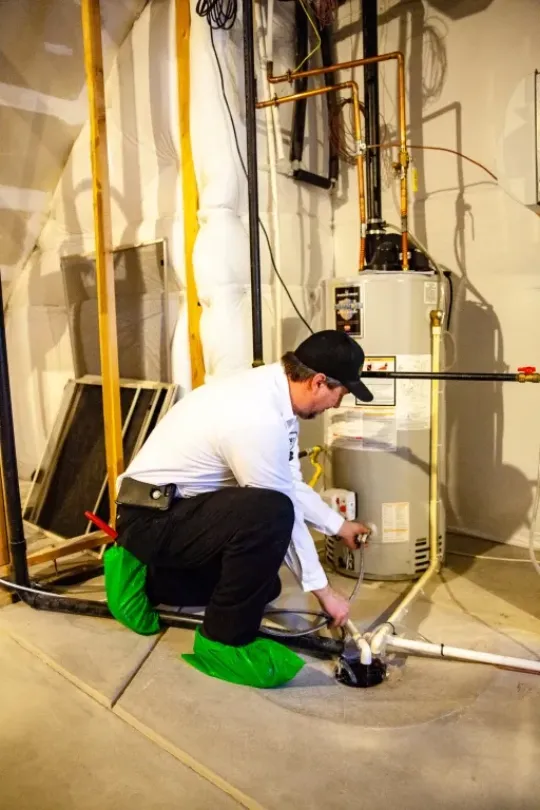
Fix-it 24/7 provides water heater repairs and installations with licensed plumbing professionals, upfront pricing, and 24/7 emergency availability. Founded in 2013, our family-owned company helps homeowners make informed decisions about repairing existing equipment or investing in a replacement.
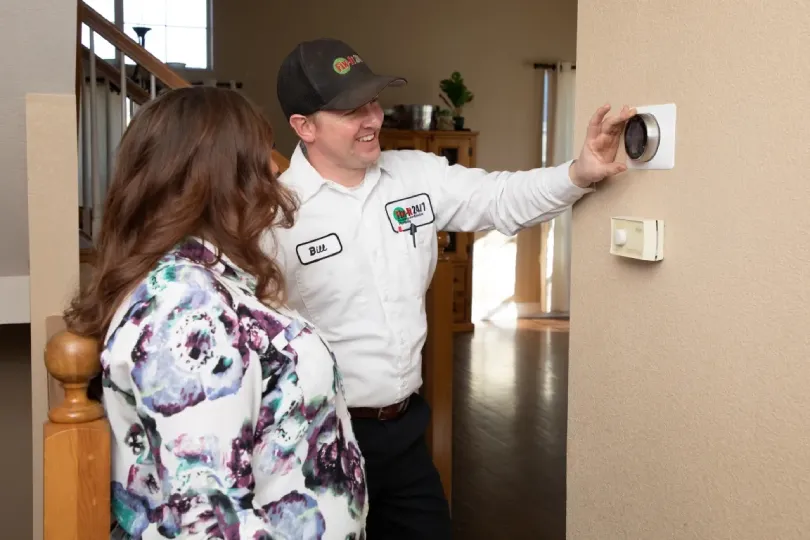
Our background-checked and drug-tested technicians complete more than 100 hours of ongoing training annually. We provide approximately four-hour service windows, notify you when your plumber is on the way, and explain repair and installation options before asking you to approve the work.
Our plumbers protect your home with shoe covers and drop cloths, clean up after completing the work, and stand behind our service with a satisfaction guarantee.








Water Heater Not Working?
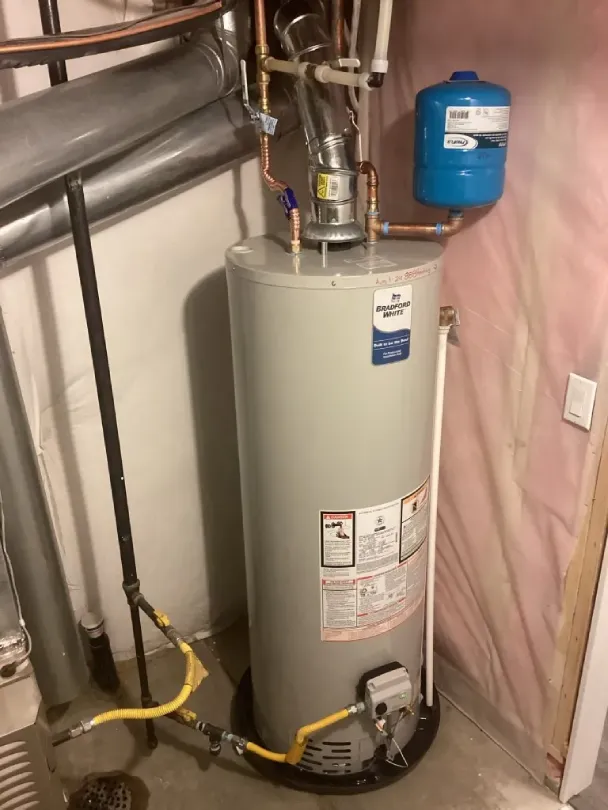
A water heater may stop working because of a failed heating element, malfunctioning thermostat, gas-control problem, sediment buildup, or another component failure. The appropriate repair depends on the symptoms and overall condition of the equipment.
Common signs that your water heater needs attention include:
- No hot water: Your unit stops heating water or produces only lukewarm water.
- Not enough hot water: Showers turn cold sooner than expected.
- Water around the tank: A fitting, valve, or the tank itself may be leaking.
- Popping or rumbling sounds: Sediment may have accumulated inside the tank.
- Rust-colored hot water: Corrosion may be affecting the tank or another part of the plumbing system.
- Inconsistent temperatures: Hot water fluctuates or doesn't reach the desired temperature.
If you have no hot water, check whether the problem affects every fixture or only one. You can also review accessible temperature settings and displayed error codes without opening electrical or gas components.
Mineral buildup can affect performance. Denver Water's water-hardness guidance explains that local water ranges from soft to moderately hard and can still form scale inside water-heating equipment.
We diagnose the cause and explain whether repair or replacement makes sense. Explore our Denver Plumbing Services for additional help with your home's plumbing systems.
Services We Offer
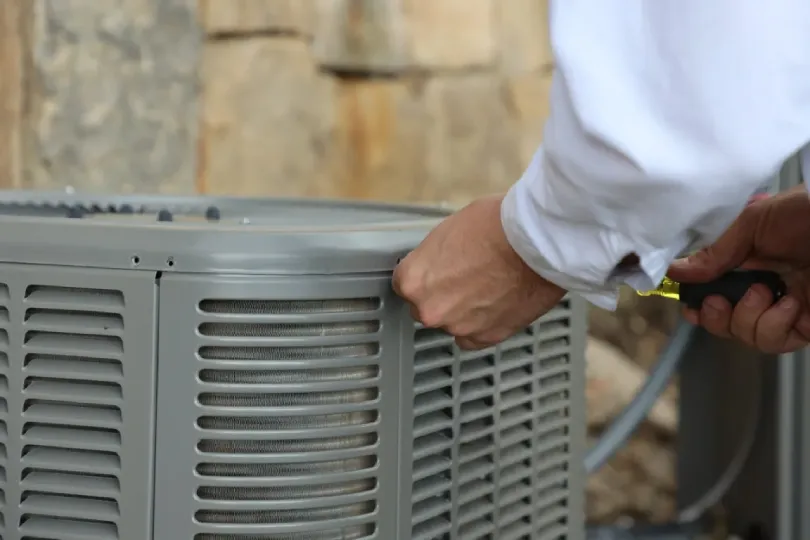
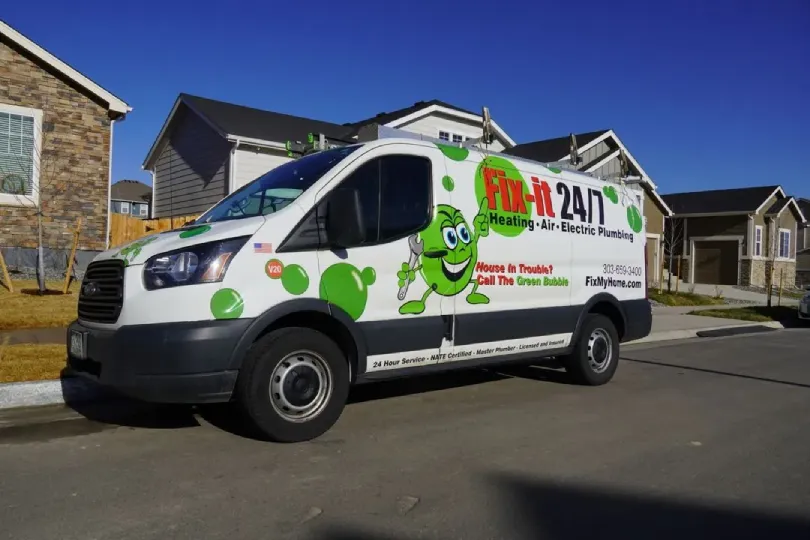
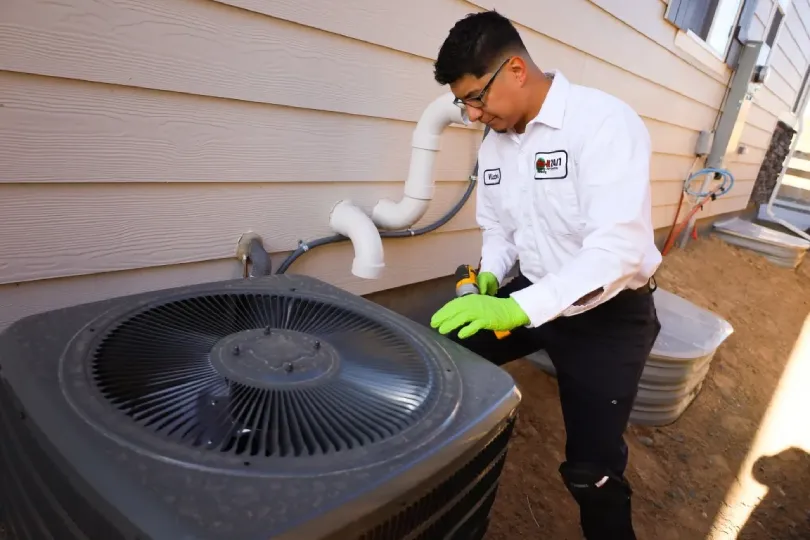
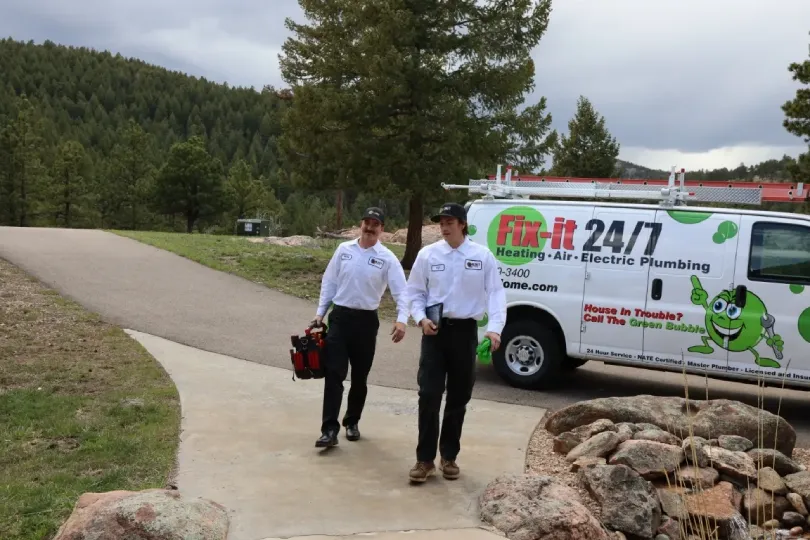
What Water Heater Repair Services Do We Provide?
We repair and install residential water heating systems, including conventional storage tanks, gas and electric units, and tankless equipment.
No Hot Water & Temperature Problems
Failed thermostats, heating elements, burners, or controls can interrupt hot water. We identify the cause and repair replaceable components when appropriate.
Gas Water Heater Repair
We diagnose ignition problems, malfunctioning gas controls, burner issues, and venting concerns. We evaluate relevant components and check for safe operation.
Electric Water Heater Repair
Failed heating elements, thermostats, and electrical controls can cause inconsistent temperatures or no hot water. We test components and explain the necessary repairs.
Tankless Water Heater Repair
We service and repair residential tankless water heaters, including problems with temperature fluctuations, ignition, error codes, and mineral buildup.
Water Heater Installation & Replacement
We install properly sized storage-tank and tankless water heaters based on household demand, available space, existing connections, and equipment requirements.
Leaks, Valves & Water Heater Maintenance
We address repairable connection and valve leaks, evaluate tank condition, and provide maintenance services such as tank flushing to help remove sediment.
If the source of a leak isn't clear, our Water Leak Detection service can help locate hidden plumbing problems.
What Happens During Your Service Visit?
Our process begins with understanding your hot water needs and ends with checking that the approved repair or installation has been completed properly.
1. We schedule your visit. We offer 24/7 emergency availability, same-day appointments whenever possible, and approximately four-hour service windows. We'll notify you when your plumber is on the way.
2. We evaluate your water heater. For repairs, we test relevant heating components, controls, connections, and safety features. For installation, we evaluate your existing equipment, household demand, and available space.
3. We explain your options and pricing. You'll understand what's causing the problem or what a new installation requires. We provide upfront pricing before you authorize the work.
4. We complete the work and clean up. Our plumbers perform approved repairs or installations, verify equipment operation, and explain the completed work. We protect the work area and clean up before leaving.
Tank or Tankless: Which Is Right for You?
The best water heater depends on your household's hot water usage, available installation space, equipment requirements, and budget.
Traditional Tank Water Heaters
Storage-tank water heaters keep a supply of heated water ready for use. They generally have lower initial equipment and installation costs than comparable tankless conversions.
A properly sized tank can provide dependable hot water, but its stored supply can be depleted during periods of heavy use. We consider tank capacity and recovery rate before recommending a system.
Tankless Water Heaters
Tankless water heaters heat water as it flows through the equipment instead of maintaining a stored supply. They can reduce standby energy losses and require less installation space.
However, tankless water heater installation may require gas, electrical, or venting modifications. Proper sizing matters because simultaneous showers and appliances can exceed the unit's flow capacity.
Learn more in our guide to the benefits of tankless water heaters.
Gas vs. Electric Water Heaters
Gas water heaters use a burner and require an appropriate gas supply and venting system. Electric models use heating elements and need sufficient electrical capacity.
The right choice depends on available utilities, installation requirements, operating costs, and household demand.
Higher elevations can also affect gas water heater performance. We review manufacturer altitude ratings, venting requirements, and heating capacity rather than assuming every model needs the same adjustments.
Should You Repair or Replace Your Water Heater?
Repair is often worthwhile when the tank is in good condition and the problem involves a replaceable component, such as a thermostat, heating element, or gas control.
Replacement may offer better long-term value when:
- The tank is leaking because of corrosion.
- Your unit has required repeated repairs.
- A major repair costs a substantial portion of replacement.
- The equipment no longer meets your household's hot water needs.
- Age and overall condition suggest additional failures are likely.
We consider equipment condition, repair costs, expected remaining service life, and household demand before recommending a solution.
If replacement makes more sense, we'll explain the available equipment options and installation requirements without pressure. We also offer a Free Second Opinion for homeowners seeking additional confidence before approving a major repair or replacement.
How Much Does Water Heater Repair & Installation Cost?
The cost depends on whether you need a component repaired, an existing unit replaced, or a different type of water heater installed.
Repair costs vary with the failed component, equipment condition, labor involved, and parts availability. Replacing a thermostat or heating element generally involves less work than addressing a major system failure.
Installation and replacement costs depend on equipment type, capacity, fuel source, and installation complexity.
A conventional tank replacement using compatible existing connections is typically less involved than converting to a tankless system. Additional work may include gas-line modifications, electrical upgrades, venting changes, plumbing connections, or required permits.
We evaluate these factors and provide upfront pricing so you understand the work before approving it. Our licensed plumbers follow applicable code requirements and manufacturer specifications.
What Does Water Heater Maintenance Include?
Water heater maintenance helps reduce sediment buildup, maintain heating performance, and identify developing component problems before they cause breakdowns.
For conventional storage tanks, periodic flushing helps remove accumulated sediment. Depending on the equipment, maintenance may also include evaluating the anode rod, temperature controls, pressure-relief components, and visible connections.
Tankless systems have different maintenance requirements, including periodic filter cleaning and descaling when recommended by the manufacturer.
Our Green Club Maintenance Membership includes an annual tank water heater flush, preventative air conditioning and heating care, priority scheduling, and savings on repairs.
We also provide our Heroes Membership complimentary to qualifying veterans, active military personnel, and first responders. Eligible members receive preventative maintenance benefits, including an annual water heater flush.
Frequently asked questions
Have questions? We've got answers. Browse the frequently asked questions below to learn more about this service, what to expect during your appointment, and how Fix-it 24/7 can help keep your home comfortable, safe, and running efficiently year-round.
Water heater replacement time depends on the equipment type, installation location, existing connections, and whether any modifications are required.
Replacing a conventional storage-tank unit with a compatible model may be completed during one visit when the equipment and necessary materials are available. Converting to a tankless system can require additional gas, electrical, venting, or plumbing work.
Our plumber evaluates the installation and explains the expected process before work begins. We'll discuss any scheduling or permit considerations that could affect completion.
Water heaters in Denver typically last 8-12 years due to the hard water conditions that accelerate mineral buildup and component wear. Regular maintenance can extend lifespan, while neglecting annual service often shortens it. Tankless water heaters generally last 15-20 years with proper care.
Water heater installation costs in Denver can vary widely, depending on the type of system (tank vs tankless), required capacity (based on household occupancy & other factors), and installation complexity. We provide upfront pricing with no hidden fees.
Annual water heater maintenance is recommended for Denver homes due to hard water conditions that accelerate sediment buildup. Regular service includes tank flushing, anode rod inspection, and component testing to prevent unexpected failures.
For water heaters over 10 years old, replacement often provides better long-term value than repair, especially if facing major component failures. New units offer improved efficiency, reliability, and warranty protection that typically offset the initial investment.
If your water heater is leaking, avoid standing water near electrical equipment and turn off the cold-water supply valve if you can reach it safely. Contact a plumber to determine whether the water is coming from a connection, valve, or the tank itself.
A leaking fitting may be repairable. If corrosion has caused the storage tank to fail, replacement is usually necessary.
Don't attempt to tighten hot or pressurized connections or dismantle the pressure-relief valve yourself.
Water heater sizing depends on your household size and hot water usage patterns. Generally, a 40-gallon tank serves 1-2 people, 50-gallon for 2-3 people, and 75-80 gallons for families of 4 or more. Denver's cold inlet water temperatures may require larger capacity than in warmer climates.
Popping or rumbling noises often occur when sediment accumulates inside a storage-tank water heater. As the burner or heating element warms the water, trapped water and steam bubbles can produce unusual sounds.
The noise doesn't automatically mean the water heater needs replacement. However, persistent sediment buildup may affect heating performance and contribute to wear.
A plumber can evaluate the tank's condition and determine whether flushing or another service step is appropriate. Older tanks may require special consideration before flushing.
A water heater may stop heating after a reset because of a failed heating element, malfunctioning thermostat, tripped safety control, or another electrical problem. On gas systems, ignition or gas-control issues may also prevent heating.
A reset may temporarily restore operation without correcting the underlying failure. If the reset control trips repeatedly, avoid resetting it again and arrange professional service.
Our technicians diagnose the relevant components and explain the appropriate repair before work begins. Repeated resets aren't a substitute for correcting the problem.
Schedule Your Denver Water Heater Service Today
Whether you're dealing with no hot water, a leaking tank, or planning an equipment upgrade, we're here to help. Our licensed plumbers explain your repair and installation options with upfront pricing and no pressure.
We offer 24/7 emergency availability and same-day appointments whenever possible.
✓ $0 Service Call for Repairs
✓ Over 4,000 5-Star Reviews
✓ Same-Day Service Available
✓ Serving Denver and the Metro Area