
Denver Fall Home Maintenance Checklist
A practical fall checklist for Denver homeowners, from testing the heat and thermostat to preventing frozen pipes and checking CO alarms, so small problems get caught before the first hard freeze.
The Fix-it 24/7 Homeowner Checklist: What to Inspect Before Fall Hits in Denver
Denver homeowners should prepare for fall by checking their heating system, plumbing, thermostat, outdoor faucets, filters, carbon monoxide alarms, and weatherproofing before temperatures drop. A good home maintenance checklist can catch small problems early, improve reliability, and help with frozen pipe prevention before the first hard cold snap arrives.
Denver’s average first freeze is October 7, but freezing weather has arrived as early as September, according to the National Weather Service. That makes late summer and early fall a smart time to get ahead of winter instead of waiting until the first cold night. (National Weather Service)
Denver Fall Home Maintenance Checklist at a Glance
Use this checklist before cold weather settles into the Denver Metro area:
These homeowner checks are useful, but they do not replace professional preventative care. Fix-it 24/7’s approach emphasizes taking care of home systems before peak demand, including a detailed fall heating Deep Clean and Tune-Up rather than simply waiting for something to fail.
1. Test Your Heating System Before You Actually Need It
Turn your heating system on before Denver gets its first major cold spell. Let it run long enough to confirm that warm air reaches the rooms in your home and that the system starts, runs, and shuts off normally.
Pay attention to warning signs such as:
· Little or no heat
· Unusual banging, rattling, or grinding sounds
· Frequent starting and stopping
· Weak airflow from vents
· Unusual odors that persist after startup
· Rooms that remain noticeably colder than others
Also check your air filter. The U.S. Department of Energy recommends checking central heating filters regularly because dirty filters can restrict airflow and make the system work harder. (The Department of Energy's Energy.gov)
Fix-it 24/7’s fall heating Deep Clean and Tune-Up goes beyond a basic visual check. Its preventative maintenance process includes pulling and cleaning the blower wheel, a component that can collect dirt and debris and affect system performance.
If your system will not heat properly, scheduling Denver furnace repair before temperatures plunge can help you avoid discovering the problem on a freezing night.
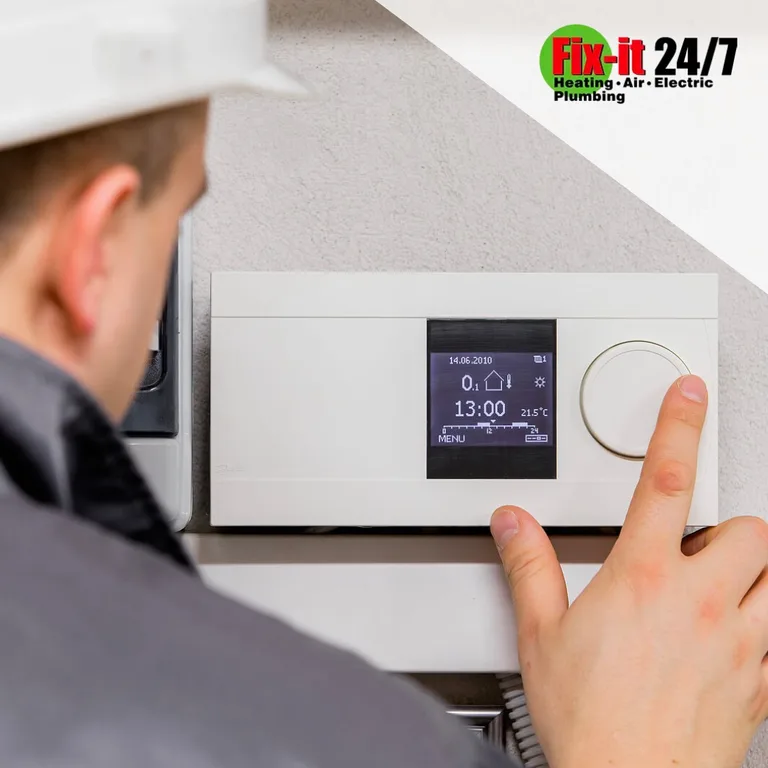
2. Check Your Thermostat and Heating Schedule
Your thermostat needs to communicate correctly with your heating system before fall. Switch it to heating mode, raise the set temperature, and confirm that the heating system responds as expected.
For programmable or smart thermostats, review your schedule as routines change from summer to fall. Make sure programmed temperatures still match when your household is typically home, sleeping, or away.
If the thermostat has replaceable batteries, fall is also a convenient time to check them. Homeowners dealing with inaccurate temperatures, poor system response, or an outdated control may want to consider professional thermostat installation and service.
Do not remove covers or attempt electrical troubleshooting if you are unsure about thermostat wiring or system compatibility. Those issues are better left to a qualified technician.
3. Make Frozen Pipe Prevention a Fall Priority
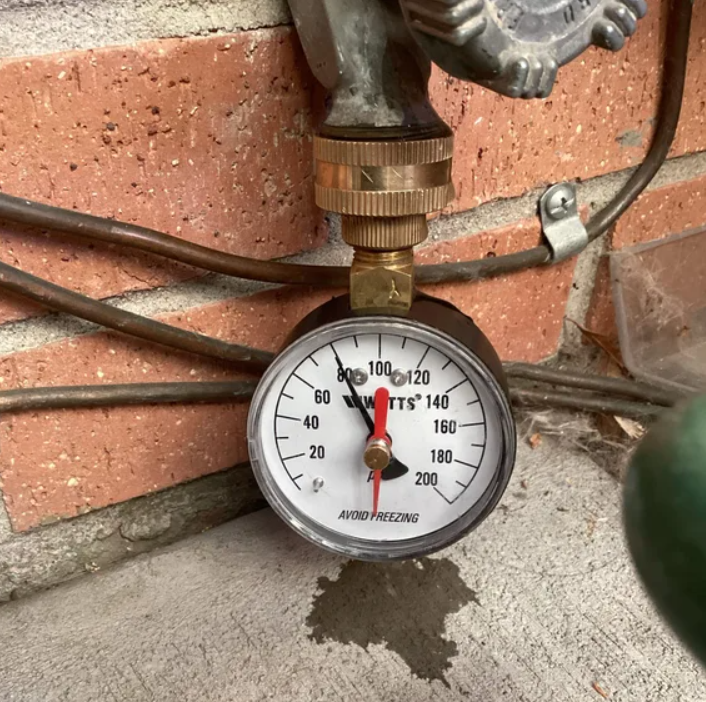
Frozen pipe prevention should begin before Denver temperatures fall below freezing. Plumbing in exterior walls, garages, crawl spaces, and other poorly heated areas can be particularly vulnerable during severe cold.
Before winter:
1. Disconnect garden hoses from outdoor faucets.
2. Shut off and drain exterior water lines if your home has dedicated shutoff valves for them.
3. Look for exposed plumbing in unheated or poorly insulated spaces.
4. Check accessible pipes for existing leaks or damage.
5. Make sure everyone in the household knows where the main water shutoff valve is.
6. Keep garage doors closed during freezing weather when water lines run through or near the garage.
During especially cold conditions, Denver Water recommends keeping indoor temperatures above 65°F when leaving the property for several days. It also notes that allowing a very slow drip from a faucet farthest from where water enters the home can help reduce freezing risk. (Denver Water)
If you suspect a frozen pipe, never use a blowtorch or open flame to thaw it. Denver Water recommends slow warming and notes that a hair dryer can be appropriate; homeowners who cannot safely locate or thaw the frozen section should call a plumber.
4. Give Boiler Systems a Preseason Check
If your Denver-area home uses a boiler, test it before consistent cold weather arrives. Confirm that the system produces heat and look around accessible equipment and piping for visible leaks.
Call a professional if you notice persistent unusual noises, leaking water, uneven heating, or a boiler that does not operate normally. Avoid opening equipment, adjusting gas components, or attempting internal repairs yourself.
Fix-it 24/7 provides boiler repair and replacement services throughout Denver and surrounding communities.
5. Check Smoke and Carbon Monoxide Alarms
Fall heating preparation should include your home’s safety equipment. Test smoke and carbon monoxide alarms according to the manufacturer’s instructions and replace batteries or units when required.
Carbon monoxide deserves particular attention as homes close up for colder weather and fuel-burning equipment sees more use. FEMA recommends having working smoke alarms and carbon monoxide detectors with battery backups as part of winter home preparation. (Ready.gov)
Never ignore a carbon monoxide alarm. Leave the home and follow emergency guidance rather than trying to identify the source yourself.
6. Look for Drafts Around Windows and Doors
Heating equipment has a harder job when conditioned air continually escapes through gaps around the home. Before cold weather, walk around exterior doors and accessible windows and look for damaged weatherstripping, obvious gaps, or areas where cold air can enter.
FEMA includes insulation, caulking, and weatherstripping among its recommendations for preparing a home for winter weather.
Simple weatherproofing can make rooms more comfortable while helping your heating system maintain the temperature you set.
7. Don’t Wait for Denver’s First Freeze to Find a Problem
Fall preparation is about prevention, not predicting exactly when winter will arrive. Denver’s historical average first freeze is October 7, but the timing varies significantly from year to year. The city has experienced its first freeze as early as September 8. (National Weather Service)
That unpredictability is a good reason to finish your home maintenance checklist while the weather is still mild. Test the heat, protect vulnerable plumbing, confirm the thermostat works, and address anything that does not seem right before those systems are under peak demand.
Preventative care is also central to Fix-it 24/7’s service philosophy: take care of systems now so they are ready when homeowners need them most.

5. FAQs
When should I start fall home maintenance in Denver?
Late summer through early fall is a practical time to start fall home maintenance in Denver. The National Weather Service lists Denver’s average first freeze as October 7, but freezing temperatures have historically arrived much earlier, so waiting until October can leave little room to address problems.
How can I prevent frozen pipes in my Denver home?
Start frozen pipe prevention by disconnecting hoses, protecting vulnerable plumbing, keeping garage doors closed during severe cold, and knowing where your main water shutoff is located. During freezing weather, additional precautions may be appropriate for pipes in exterior walls or unheated areas.
Should I turn my furnace on before fall?
Yes, testing your heating system before cold weather is one of the simplest ways to identify a problem early. Make sure it starts normally, produces heat, provides adequate airflow, and does not make persistent unusual noises.
What should I check on my thermostat before winter?
Confirm that the thermostat switches to heating mode, calls for heat correctly, maintains a reasonable temperature, and follows your programmed schedule. Check replaceable batteries where applicable and arrange professional service if the thermostat or heating system does not respond normally.
Is professional heating maintenance worth doing before winter?
Professional preventative maintenance can identify developing issues and clean components that homeowners generally should not service themselves. Fix-it 24/7 emphasizes a detailed Deep Clean and Tune-Up approach, including pulling and cleaning the blower wheel during fall heating maintenance, to support system reliability, efficiency, and preventative care.
Get ahead of Denver’s colder weather instead of waiting for your heating system or plumbing to give you a warning on a freezing day. Fix-it 24/7 serves Denver and communities across the Metro area with heating, plumbing, air conditioning, and electrical services. Schedule the preventative care or service your home needs now so you can head into fall with greater peace of mind.
Save on Your Next Home Service
Keeping your home comfortable and running smoothly shouldn’t have to stretch your budget. Explore current specials from Magnolia Heating, Cooling & Plumbing and save on select heating, cooling, plumbing, and indoor air quality services. Check out our latest offers and schedule your service today.